Wednesday, April 24, 2024

Blog 11 - Blog REFLECTION - Julia Butera

1. Richard Rodriguez

Being introduced and researching Rodriguez's personal philosophy of his self image really changed my mindset. In the modern world there are so many labels. When relating to intersectionality, yes, we all have different aspects of ourselves that provide us with more than one identity. However, in the end we are all just people living in a world. Learning more about Richard Rodriguez, who is famous for only referring to himself as Richard Rodriguez and not claiming anything else, it gave me such a different perspective. We are all just people. 

2. Classroom tour & What to Look for in a classroom

A huge belief of mine as a rising educator has been to create a comfortable space for my students. A place that is designed for them to develop passion and learn best, not a space that they feel stressed or defeated. I was genuinely interested in looking through how different people organize their space and the intention for everything within their classroom. It makes me excited to be able to use different things I have seen to create my unique classroom in the future. 

3. School Tracking System

It was a very small part of our class that we covered, involving how the tracking system isolates a student to one specific group of people at the same time. Through a tracking system, a student can feel very trapped within that system and it does not give the student an easy escape to try to grow above their written expectations. 


Julia Butera

Blog 10 - Julia Butera

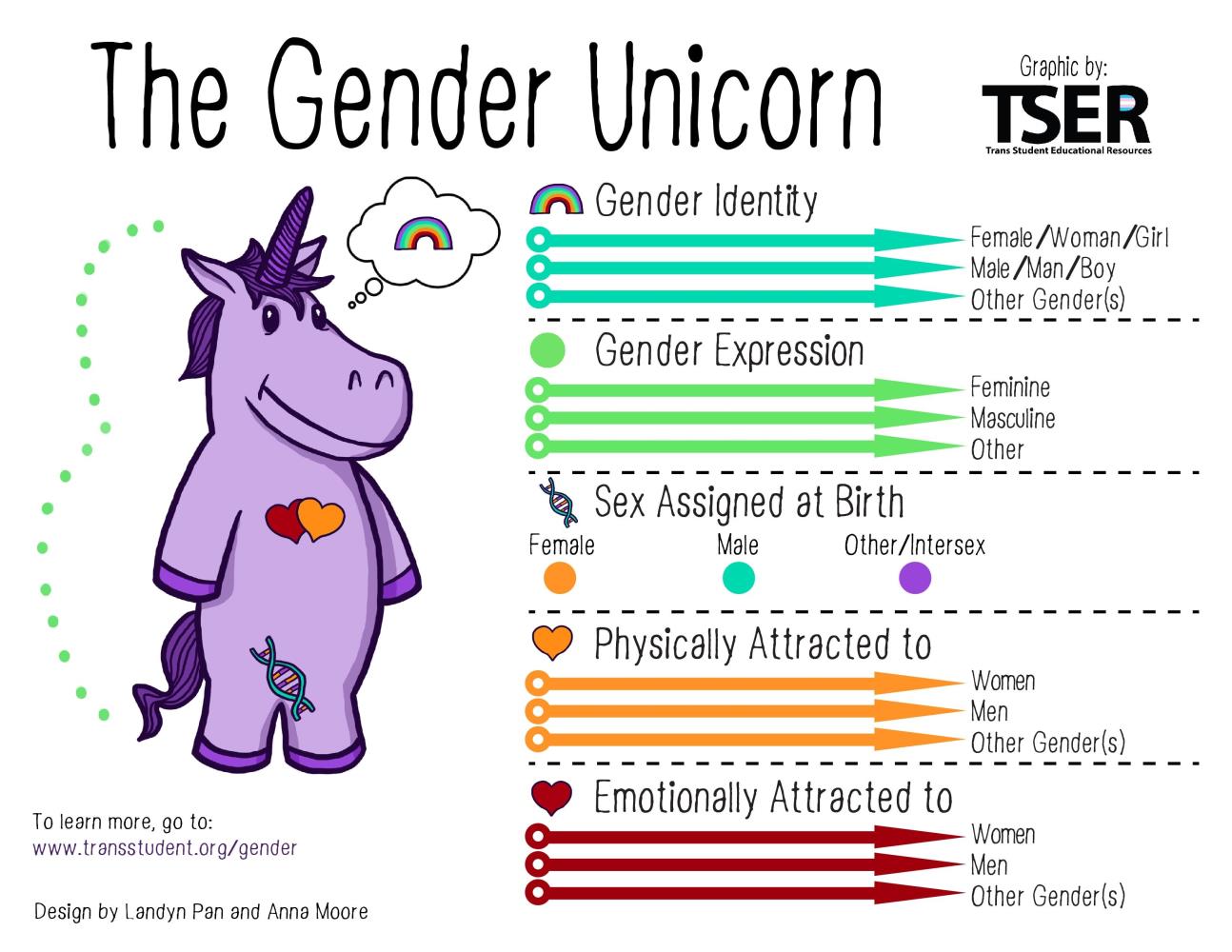
 Our classroom discussion revolving the video: They, She, He easy as ABC, left me with several after thoughts that I just want to share within my blog. A huge topic with our discussion was how and when sex, gender, and sexual orientation topics should be introduced to children. The video that we watched focuses on kindergarten level students. I'm passionate that these topics shouldn't be sheltered from kindgergarteners, however, there is obviously an appropriate level to how much we should dive into these topics. I definitely think that sex and gender should be introduced too kindergarteners. For example, if students are using the bathroom, the teachers could say "students who are most comfortable using the boys room" versus "boys line up in front of the boys room". Or for another in school example, teachers can teach the students what pronouns are and have the students introduce themselves with what they're most comfortable using. The way that I think about it is that these sex, gender, and sexual orientation topics are uncomfortable for teachers and parents, but when you are introducing the topics to children, a lot of the time they have no prior knowledge. Therefore, approaching the conversations confidently versus beating around the bush of having the conversation with children will normalize this language for future generations. 


I am a ted talk fan, so I found a few ted talks to watch that are related to the discussion our class had. 

Why kids need to learn about gender and sexuality 

Love, no matter what

The difference between gender, sex, and sexuality | Gender

Tuesday, April 2, 2024

Bog #9 - Eliminating Ableism in Education - Hehir - Julia Butera

The very beginning of Hehir's article mentions, "it was clear to the doctors and to Joe’s mom Penny that he would likely have disabilities. What wasn’t clear to Penny at the time was that she was entering a new world, that of a parent of a child with disabilities, a world in which she would have to fight constantly for her child to have the most basic of rights, a world in which deeply held negative cultural assumptions concerning disability would influence every aspect of her son’s life," (pg 1). I think that this section is important to include at the beginning of my blog right now because it covers societies discriminatory actions on not just people with disabilities but also families of people with disabilities. I think that it is interesting to live in a society where some parents may be ashamed of their child just because they are born with (or grow into) a disability. However, now that I think about it more, this fearful feeling might be mores directed towards wanting to protect their child from worlds harm---in this case, fearing their child will be acted towards differently because of their disability. This is just another reason of society needing to welcome people with disabilities rather than separate them from the rest. 

In my kindergarten service placement this semester there is a child who is on the spectrum. He is surrounded by his peers and many of his classmates are super good friends with him. He is a super enthusiastic, goofy, and helpful student, just as the rest of his class is. However, he does sometimes have outbursts on his bad days and his classmates experience this with him. Something fascinating about the students in this class is that when I have worked closely with this child with autism and his neurotypical friends, I have noticed how this students classmates adapt to his behaviors in a way that they can help meet his needs best. For example, if he seems to becoming overstimulated by the situation, his classmates might do something to deflate the situation that they have recognized has calmed him down in the past. These interactions between the students is something that I noted because it is very different than what I can remember from my kindergarten experience. I remember there were a few students who I knew were my age but they were never fully in the classroom with us and I was always so confused why they weren't with us and I remember my friends and I in the class thinking that they all got "special treatment", when really my friends and I were the ones getting special treatment. I think that I would have understood the situation so much better if I was introduced to what autism was and how it effected my few classmates, rather than being sheltered from it and them being sheltered from our class. 

Understanding and Addressing Ableism in Schools - Oregon.govoregon.govhttps://www.oregon.gov › Documents › informalremovals

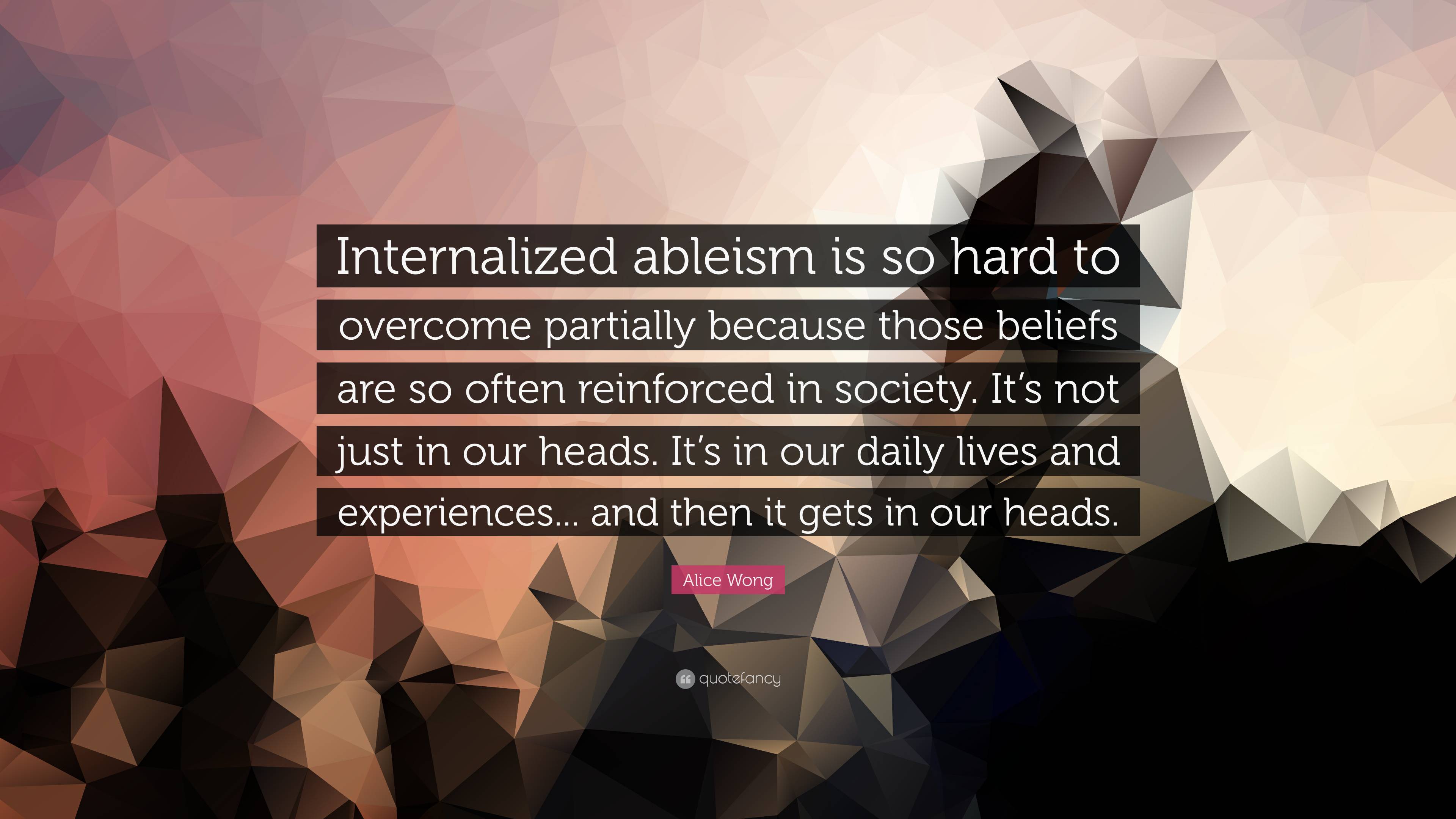
I looked up just examples of ableism within schools and I was honestly shocked to read through this list that made me think of things I would have never thought about in the first place. I think it is super eye opening to looking through this. 

Alice Wong Quote: “Internalized ableism is so hard to overcome partially  because those beliefs are so often reinforced in society. It's not...”

famous disability quotes – community employment


Wednesday, March 27, 2024

Rodriguez Blog - Julia Butera

I admired Richard Rodriguez's goal to be seen as no one else besides "Richard Rodriquez". While we were watching the video in class this really stuck out to me. I think that labels, although might be necessary for some things, can be very overwhelming and can overshadow the person behind the label. Throughout this class we have talked very much about the stereotypes that society holds for various people and how this effects every individuals life, for better or for worse. I feel that this is what Richard tries to avoid. He explains how he lives a perfectly unique life and he doesn't want to be called himself anything but his name. 

Personally, I think Richard's individual ideology is super inspiration and I think that, although he is just sharing his story, many people are learning valuable lessons out of the way that he lives his life. I know that I don't want to live under anyone else's definition of something, which is something that I think Richard lives by as well. 

As anyone could say about any country, the American society is a very unique place. Our society impacts everyones life differently, which Rodriguez expands on in this interview that I found called "An American Life"


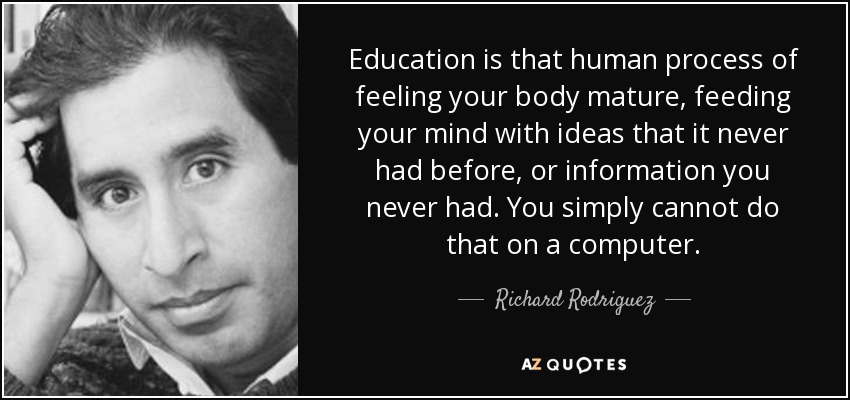
Richard Rodriguez quote: Education is that human process of feeling your  body mature...

Honestly, this is just a really cool quote that I found by Rodriguez.


Wednesday, March 6, 2024

Finn (Anyon): A Distinctly Un-American Idea - Blog #6

 After reflecting on the conversation we had as a class and developing my own thoughts on Finn's ideas within this article, a recurring idea that I feel is important to bring up is how controlling money really is in our society. Through Finn's analysis, the community you are born into determines your quality of education, career, living conditions, etc. I brought this realization up to my sister and, as I rambled about wanting to end all monetary divisions and take down all billionaires, my sister challenged me with the questions: "But really what would happen in society without these levels of wealth?" And it took me a minute to come up with an answer because I have no idea. I'm not sure if there would be chaos or if life would be perfect and equality for everyone. 

I will say that although I want to destroy the system that the American economy has created, I don't think society would survive without any economic structure. Not because money is necessary but because I think humans just have a power dynamic and someone would end up being greedy and the whole system would crash. So, for the sake of my own curiosity I wanted to explore theories of what would happen if we had no economy, a less prejudice system, and everything in between. 

https://www.quora.com/What-would-the-world-look-like-without-an-economic-system

This is not at all a credible source, but it is just a thread of strangers opinion related to this questions - "What would the world look like without an economic system" and there were several things that caught my interest.

1. Someone talked a bit about how all jobs would be covered in a world where wages don't exist because with the amount of people we have in the world someone would enjoy working in each job without a wage. For example, there would still be teachers, farmers, electrician, etc. 

2. However, someone brought up the idea that there would be no way to claim personal property or objects because these things would still have value to the person. So even without money and if trade was used, there would still be some sort of system of personal values. This would be something hard to overcome. 

Personally, I think that these concepts are super interesting to think about but it would be close to impossible to try to implement an entirely new American system, even on a smaller scale, which is what society is facing now. Our system is built to create a cycle that can barely be broken. Money controls the decisions we make. Can we even fight back? 

Distribution of wealth - Wikiwand

Technically, we could fight back. These are the global wealth distribution, not just the US wealth distribution. But, the division between millionaire and everyone else is still very much consistent within the US as it is around the world. 99% versus 1% sounds pretty promising!!!!! But, they have much more money so their voices will always be the most heard. 


(This was a little bit sarcastic but I'm hoping that you guys as a class will agree with my frustrations.)

Sunday, February 25, 2024

Why Are All the Black Kids Sitting Together in the Cafeteria by Beverly Daniel Tatum - Group 1

 Tatum mentions several aspects of racism that is developed within the prejudice system that has been built for generations. Something I want to focus on is white peoples attitude towards racism and how the system was built for them. Privilege is a hard concept to grasp for white people because they may argue that they go through challenges within their society as well. Which isn't wrong, everyone goes through their own economic, mental, educational struggles but white people do not go through systemically racial struggles. Tatum writes about how getting called racist is the worst insult to a white person. Why? Is this because white people subconsciously understand that they are consistently benefitting from the racially prejudice system our world has built? 

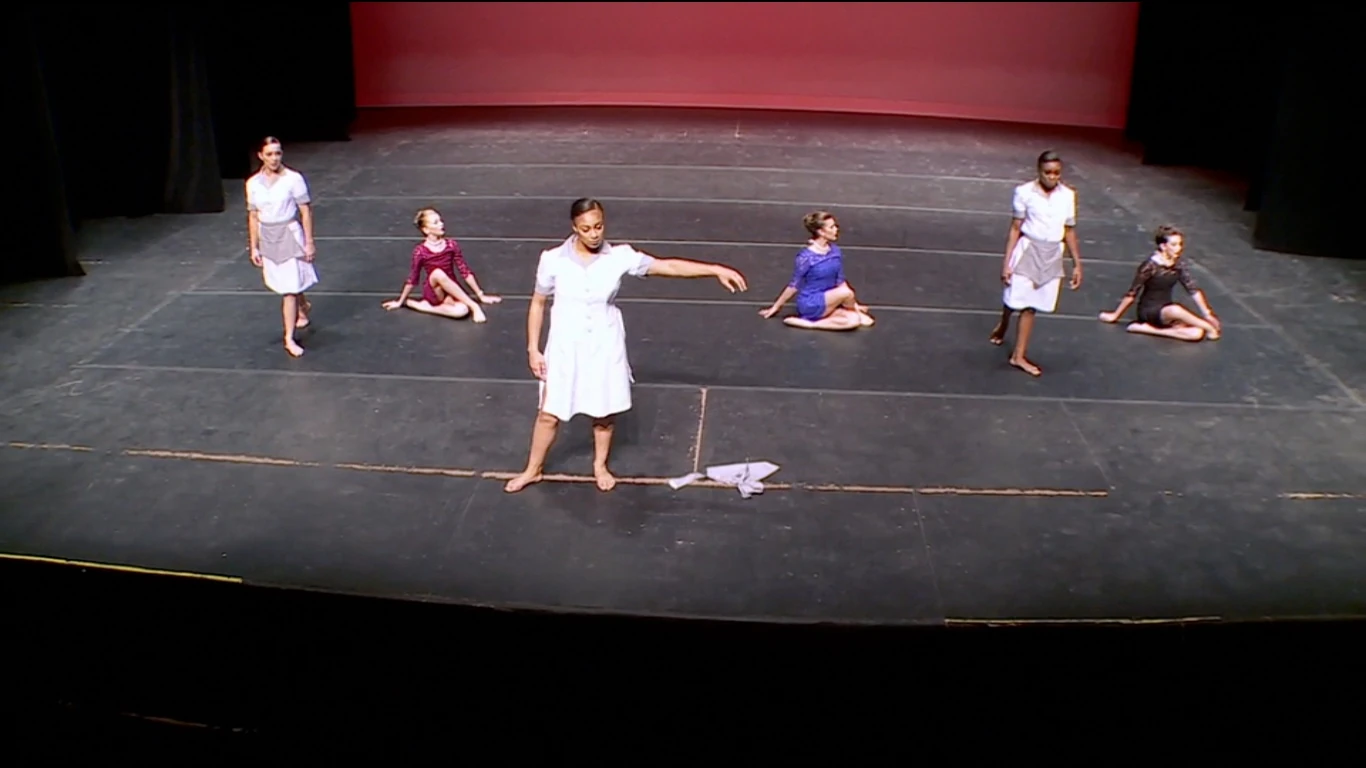
Good Help Is Hard to Find | Dance Moms Wiki | Fandom

This denial of white privilege exists everywhere, even within media, where a lot of white people are not understanding to what they are benefitting from based on systemic racism. Reported within a very popular TV show "Dance Moms"  season 7 episode 7 where there is a dance called "Good Help is Hard to Find" symbolizing the relationship between the domestic help and the socialist during the civil rights movement. There are three POC dancers are playing the domestic help to the three white dancers. One of the moms of the black dancers starts vocalizing to the predominantly white dance group that something seems off about the dance, and proceeds to talk with the other moms about how they might not realize that it is racist. A white mom responds, "I really don't think I'm racist I feel like because you're white  people assume that you're racist," while another white mom backs her up and says, "I think that most white people aren't racist." To get them to understand that she was just pointing out the prejudice that the white moms and dancers may not realize Holly opens up about her own experiences and says to the moms, "Lets put it like this you'll probably never go to a store and think that you're stealing something but because that is my life and my experience I have to raise my kids to know that that is going to be their life and their experience" Again, reinforcing the idea that many white people do not understand the amount of privilege that they hold within our society. 

https://youtu.be/6OLCRt3Ltq8?si=1S9FPbluuCbpGyKK 

Kohn, Culturally Relevant Pedagogy

 While reading through Kohn "What to Look for in a Classroom" it talked much about the appearance of the classroom, such as furniture, what's on the walls, the location of the teacher, etc, along with it referencing the student's and teacher's behavior as well, like the student's expression, the teacher's voice. To summarize the good signs of each category and the bad signs of each category, an example of what is on the walls might be appropriate. Good signs of wall decor is evidence of student collaboration, personal momentos, student-made exhibits, etc. Versus the bad signs which include commercial posters, nothing, only perfectly designed student work, etc. 

A lot of this made me think about how positive learning relies on the personality of the classroom. This is what makes most students interested in entering a classroom and allows them to feel more at home while they are at school. Considering all students come from different backgrounds and home lives, creating a personalized, welcoming classroom is very important. I think that it can definitely help a student create a routine in their life and, for example, seeing their own work on the wall of their classroom may help them feel seen and appreciated for the efforts they are putting in within their classroom. 

School Quotes and Slogan good for Tee. School is Tough but So Are You Stock  Vector Image & Art - Alamy

I chose this simple quote poster because it acknowledges that school is going to be hard for any student, but putting in the effort and finishing a hard assignment/test is even harder. "School is tough but so are you" also references the students as their individual people not just pawns in a teachers classroom. I think that this relates to Kohn's article because it illustrates the comfortability that good signs within a classroom can create for a student. 


Wednesday, February 7, 2024

Amazing Grace - Jonathan Kozol

"these are children in the poorest, most abandoned places who, despite the miseries and poisons the world has pumped into their lives, seem, when you first meet them anyway, to be cheery..." pg 6

I want to relate this quote to becoming an educator and the persona I want in my own classroom in the future. I think that it is necessary for a teacher to provide a safe and comforting environment for their students because we really never know what a child has gone through or the background that they may come from. Children see many things in this world that they should never have to experience which can really effect them. Applauding them and giving them the best experience in a comforting classroom and understanding the positions they may be in is the first step that I want to take in order to become a positive role model for my students future. 

 "In 1991 the median household income of the area, according to The New York Times, was $7,600" pg 3 

I definitely think that this data helps me to begin to understand the situation that many people from this area in the South Bronx are coming from. It's incredibly to me how many people suffer through the lack of income they go through. The United States does not make it easy to live peacefully if you do not come from money or have money. I give so many props to the families that live through these conditions successfully because they are all so strong. 

Inside the area right near Cypress Avenue there is a place that Cliffie explains to be the place they "burn bodies" which is later to be found out to be a waste incinerator that burns "red bag products" meaning amputated limbs, fetal tissue, bedding, bandages and syringes, etc. The thing to note is that this waste incinerator building was established in this area "over the objections of the parents in the neighborhood," (pg7) 

I want to connect this quote to the silenced dialogue reading that we discussed last week and note how the city of NY completely disregarded the voices of the families in the south bronx community for this waste operation to be placed directly near their homes and children. I think that this just shows how underprivileged their community is because they were not taken seriously. Unfortunately, now this waste operation being in their town effects only the families and children who live there. 

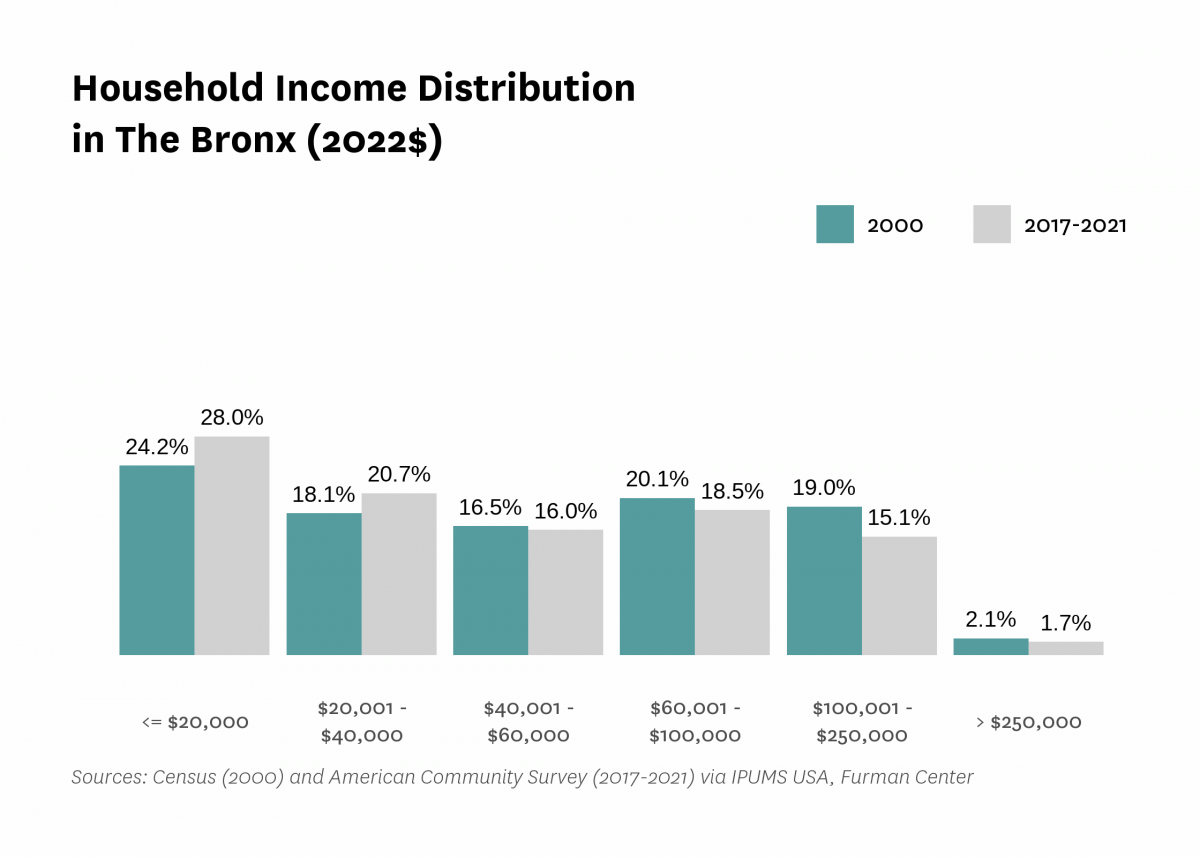
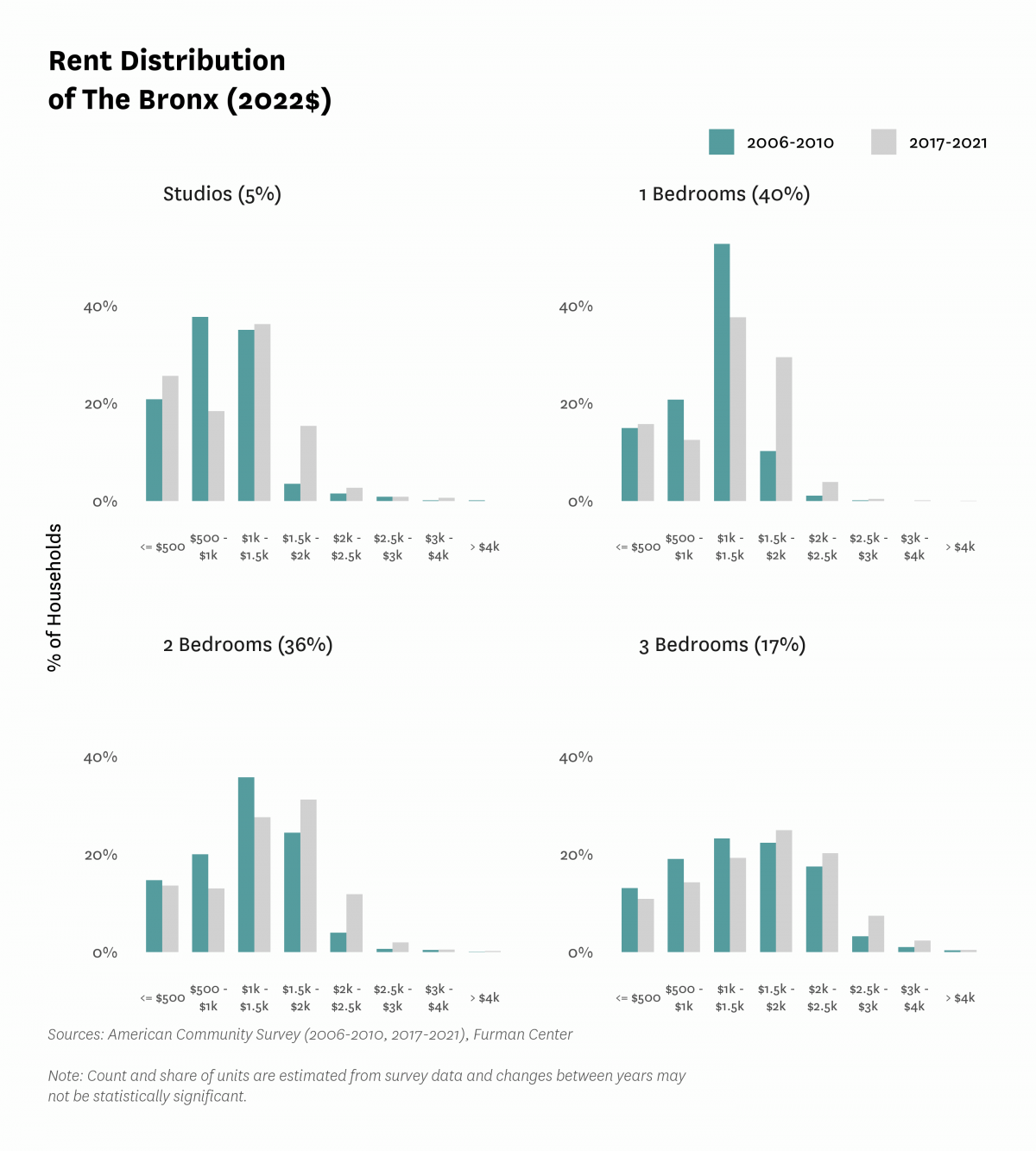
The Bronx Neighborhood Profile – NYU Furman Center

image a

The Bronx Neighborhood Profile – NYU Furman Center

image b

In relation to the first quote that I pulled, these graphs indicate the most recent household income distribution (image a) and the rent distribution (image b) in the Bronx, New York. In the past 30 years, because the original data was from 1991, there has been an increase in income, however, this is most likely to do with overall inflation and raised price of living and such. To back this up, image b displays the rent distribution across the Browns area which has also generally raised over the past 20 years. Something I would like to note is that the census in image a is most likely not including any of the homeless citizens in the Bronx area which, I looked up, and if you use the hyperlink underneath here you will see that homeless shelters around the Bronx area host as most as 5% of the population in each specific district of NY. 

https://citylimits.org/2019/09/10/data-drop-which-nyc-neighborhoods-host-the-most-homeless-shelter-beds/


thanks for reading my blog ☮♡ Julia butera

Sunday, February 4, 2024

Delpit "The Silenced Dialogue" & An Indian Fathers Plea

"they don't really want to hear what you have to say...they only want to go on research they have read that other white people have written" 22

I think that this quote is incredibly powerful in order for our society to recognize how we are stuck in a tunnel visioned thinking process. One that leaves out many other perspectives and seems to only have one sight in the end. Something ridiculous that I can relate this to is the worries concerning the covid 19 vaccine, around that time many people were hesitant of the contents, but there was also lots of false information being released about what the vaccine contained. Because so much of this false news was on the media, many uneducated people disregarded what people had to say because they believed very inaccurate information that was written by people who were also very closed minded about the vaccine. 

"...all of the nonwhite respondents have spoken passionately on being left out of the dialogue about how best to educate children of color" 23 

I believe this passage relates to "An Indian Fathers Plea" because all of the educators were white along with not having any knowledge on the family's Indian beliefs/practices. But also an immediate connection to make is to the fact that similar problems to "An Indian Fathers Plea" are occurring  today and yet we never hear of a publicized event where nonwhite parents demanded to be given a voice for their children. On the other hand, there are always televised stories about parents in wealthier, predominantly white school districts voicing for the quality of the lunch their students are served. 

"they listen but they dont hear" 21

"you can only beat your head against a brick wall for so long until you draw blood" 21

Through out discussion Delft's "The Silenced Dialogue" and reenactment of "An Indian Father's Plea", several things stuck out to me. In summary, "The Silenced Dialogue" that Delpit dives into is the idea of speaking without being heard. What this means is that someone may be listening to you but not hearing and considering the ideas you have to offer. Delpit ties prejudice and ignorance as the explanation for "The Silenced Dialogue" which is portrayed within "An Indian Father's Plea". 

Honestly this reading made me take a step back and think about if I have ever been on the prejudice side of silenced dialogue. Admittedly, there have been some times where I have let the way that someone looks get in the way of how I think about them. My goal is to love everyone, I don't want to live a life that places anything besides someone's actions be the reason for my opinion of them. What I am beginning to learn is that prejudice is taught and learned, everyone is born the same and because of how they were nurtured defines the person they become. However, habits can be broken there is just work that has to be done. 

Hearing Does Not Equal Listening

I chose this peanuts cartoon to explain a theme that Delpit wrote lots about. He writes, "they listen but they don't hear," in  a way to indicate that although someone might be paying attention to the words that are coming out of your mouth, they're not hearing you in a way to understand and analyze what you are saying. 

What is privilege? | TED TalksTEDhttps://www.ted.com › playlists › what_is_privilege

This hyperlink will bring you to a playlist of ted talks called "What is Privlege" that relates a lot to what we have been discussing in class recently about the wheel of power/privlege and where we can place ourselves in society and understanding the invisible walls society has built. 

Thursday, January 25, 2024

About Me!!!!!!! Julia Amazing Blog Blog


                                                         A great sunset on December 28, 2022

                                      
                                       Me being a city girl this summer (went to Boston for a day)


                                Me & my friends after deciding to see Elle King day-of the concert
                               because our group song is "America's Sweetheart (very good song)

                        A few moment captured when I went to New Hampshire this past summer

                                One of my favorite spots in Smithfield is this rope swing (very fun)


Some more pictures of me and a stop sign 


Privilege, Power, and Difference - Allan Johnson

I think there is discomfort to being self-aware of your privilege or being apart of a minority. What Alan Johnson wrote about seems to acknowledge this discomfort within society, while also acknowledging the prejudices our society holds. Johnson alludes to the idea that we as a society must be able to understand where we stand amongst ourselves before taking any action. He also seems to speak on---and I agree with this---by saying that change is uncomfortable. Small change is quite uncomfortable, so obviously approaching an incredible societal shift in behavior isn't going to be easy. Our American society is very bad at being uncomfortable, yes, over the years many changes have occurred because people put themselves in uncomfortable situations. However, I have noticed that we as a society tend to take the easy way out and do nothing. But, in my opinion, doing nothing is also doing something. Doing nothing results in nothing, which results in no change being made within our discriminatory society. What I think people do not realize is that doing something doesn't have to be a "big" thing. For example, educating yourself on a situation (becoming aware) IS doing something. Because this is the first step to be able to change societies mindset. In class we were asked to relate Johnson's words to our lives. Sarah (shoutout Sarah) began to talk about how she got assigned a book not too long ago about the difficulties that undocumented citizens have to go through to get employed. She said that she was enlightened during this because she had never thought about that because she---a perfectly capable U.S. born citizen---can walk in anywhere with a résumé and apply for a job, without such a rigorous process. While she was telling our group this story, I made the same realization. I had never thought of that same privilege I held either. This simple interaction opened a whole new level of reflection and way that I viewed how some people struggle within this society. 

Julia's Amazing Blog blog #1 ☮🤟

Blog 11 - Blog REFLECTION - Julia Butera

1. Richard Rodriguez Being introduced and researching Rodriguez's personal philosophy of his self image really changed my mindset. In th...