Wednesday, February 7, 2024

Amazing Grace - Jonathan Kozol

"these are children in the poorest, most abandoned places who, despite the miseries and poisons the world has pumped into their lives, seem, when you first meet them anyway, to be cheery..." pg 6

I want to relate this quote to becoming an educator and the persona I want in my own classroom in the future. I think that it is necessary for a teacher to provide a safe and comforting environment for their students because we really never know what a child has gone through or the background that they may come from. Children see many things in this world that they should never have to experience which can really effect them. Applauding them and giving them the best experience in a comforting classroom and understanding the positions they may be in is the first step that I want to take in order to become a positive role model for my students future. 

 "In 1991 the median household income of the area, according to The New York Times, was $7,600" pg 3 

I definitely think that this data helps me to begin to understand the situation that many people from this area in the South Bronx are coming from. It's incredibly to me how many people suffer through the lack of income they go through. The United States does not make it easy to live peacefully if you do not come from money or have money. I give so many props to the families that live through these conditions successfully because they are all so strong. 

Inside the area right near Cypress Avenue there is a place that Cliffie explains to be the place they "burn bodies" which is later to be found out to be a waste incinerator that burns "red bag products" meaning amputated limbs, fetal tissue, bedding, bandages and syringes, etc. The thing to note is that this waste incinerator building was established in this area "over the objections of the parents in the neighborhood," (pg7) 

I want to connect this quote to the silenced dialogue reading that we discussed last week and note how the city of NY completely disregarded the voices of the families in the south bronx community for this waste operation to be placed directly near their homes and children. I think that this just shows how underprivileged their community is because they were not taken seriously. Unfortunately, now this waste operation being in their town effects only the families and children who live there. 
The Bronx Neighborhood Profile – NYU Furman Center

image a

The Bronx Neighborhood Profile – NYU Furman Center

image b

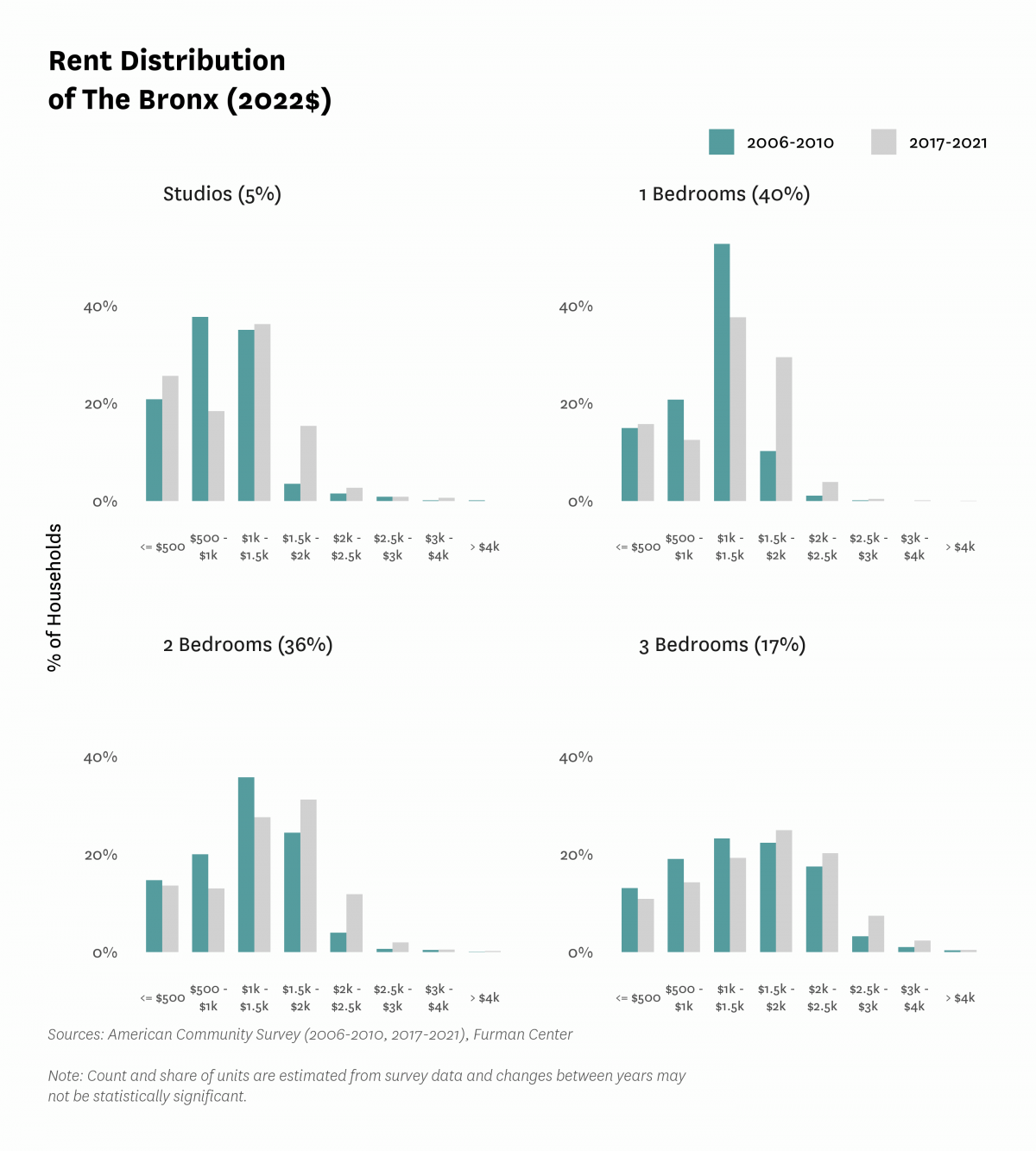
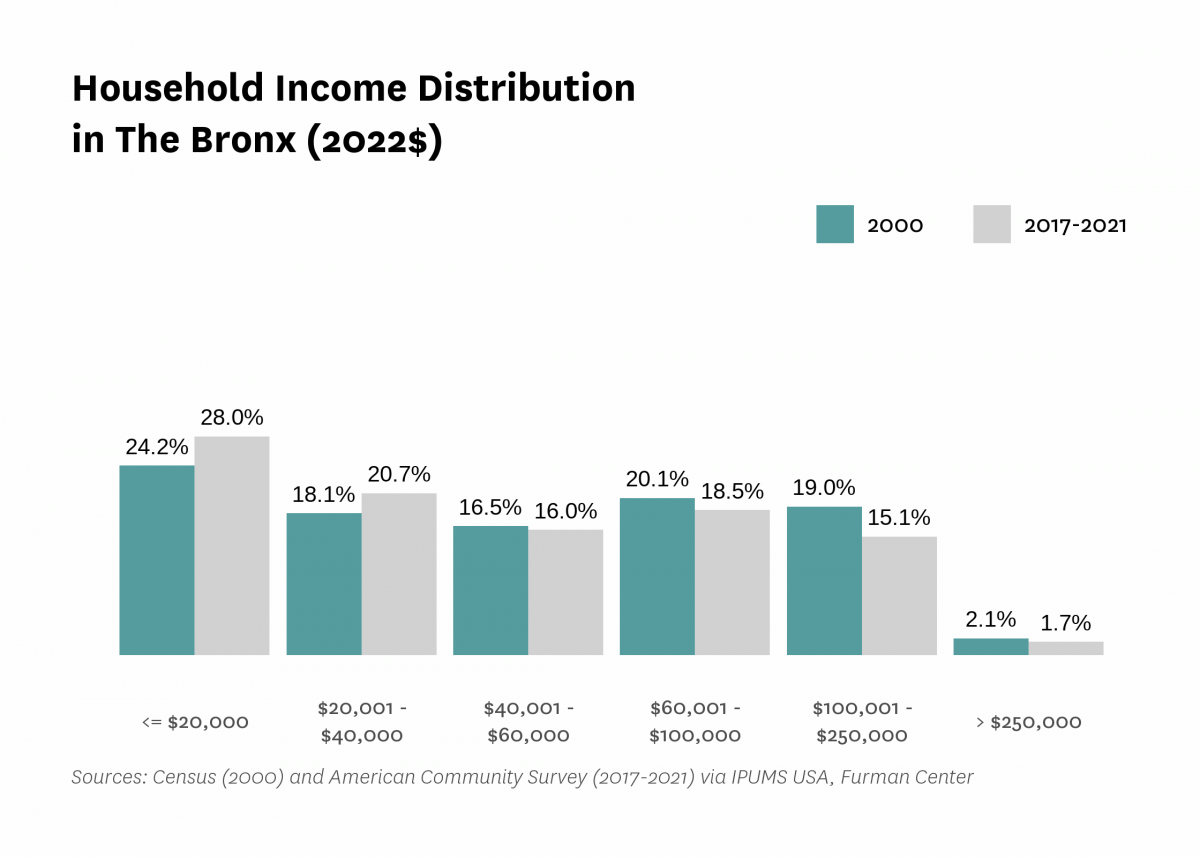
In relation to the first quote that I pulled, these graphs indicate the most recent household income distribution (image a) and the rent distribution (image b) in the Bronx, New York. In the past 30 years, because the original data was from 1991, there has been an increase in income, however, this is most likely to do with overall inflation and raised price of living and such. To back this up, image b displays the rent distribution across the Browns area which has also generally raised over the past 20 years. Something I would like to note is that the census in image a is most likely not including any of the homeless citizens in the Bronx area which, I looked up, and if you use the hyperlink underneath here you will see that homeless shelters around the Bronx area host as most as 5% of the population in each specific district of NY. 

https://citylimits.org/2019/09/10/data-drop-which-nyc-neighborhoods-host-the-most-homeless-shelter-beds/


thanks for reading my blog ☮♡ Julia butera

Sunday, February 4, 2024

Delpit "The Silenced Dialogue" & An Indian Fathers Plea

"they don't really want to hear what you have to say...they only want to go on research they have read that other white people have written" 22

I think that this quote is incredibly powerful in order for our society to recognize how we are stuck in a tunnel visioned thinking process. One that leaves out many other perspectives and seems to only have one sight in the end. Something ridiculous that I can relate this to is the worries concerning the covid 19 vaccine, around that time many people were hesitant of the contents, but there was also lots of false information being released about what the vaccine contained. Because so much of this false news was on the media, many uneducated people disregarded what people had to say because they believed very inaccurate information that was written by people who were also very closed minded about the vaccine. 

"...all of the nonwhite respondents have spoken passionately on being left out of the dialogue about how best to educate children of color" 23 

I believe this passage relates to "An Indian Fathers Plea" because all of the educators were white along with not having any knowledge on the family's Indian beliefs/practices. But also an immediate connection to make is to the fact that similar problems to "An Indian Fathers Plea" are occurring  today and yet we never hear of a publicized event where nonwhite parents demanded to be given a voice for their children. On the other hand, there are always televised stories about parents in wealthier, predominantly white school districts voicing for the quality of the lunch their students are served. 

"they listen but they dont hear" 21

"you can only beat your head against a brick wall for so long until you draw blood" 21

Through out discussion Delft's "The Silenced Dialogue" and reenactment of "An Indian Father's Plea", several things stuck out to me. In summary, "The Silenced Dialogue" that Delpit dives into is the idea of speaking without being heard. What this means is that someone may be listening to you but not hearing and considering the ideas you have to offer. Delpit ties prejudice and ignorance as the explanation for "The Silenced Dialogue" which is portrayed within "An Indian Father's Plea". 

Honestly this reading made me take a step back and think about if I have ever been on the prejudice side of silenced dialogue. Admittedly, there have been some times where I have let the way that someone looks get in the way of how I think about them. My goal is to love everyone, I don't want to live a life that places anything besides someone's actions be the reason for my opinion of them. What I am beginning to learn is that prejudice is taught and learned, everyone is born the same and because of how they were nurtured defines the person they become. However, habits can be broken there is just work that has to be done. 

Hearing Does Not Equal Listening

I chose this peanuts cartoon to explain a theme that Delpit wrote lots about. He writes, "they listen but they don't hear," in  a way to indicate that although someone might be paying attention to the words that are coming out of your mouth, they're not hearing you in a way to understand and analyze what you are saying. 

What is privilege? | TED TalksTEDhttps://www.ted.com › playlists › what_is_privilege

This hyperlink will bring you to a playlist of ted talks called "What is Privlege" that relates a lot to what we have been discussing in class recently about the wheel of power/privlege and where we can place ourselves in society and understanding the invisible walls society has built. 

Thursday, January 25, 2024

About Me!!!!!!! Julia Amazing Blog Blog


                                                         A great sunset on December 28, 2022

                                      
                                       Me being a city girl this summer (went to Boston for a day)


                                Me & my friends after deciding to see Elle King day-of the concert
                               because our group song is "America's Sweetheart (very good song)

                        A few moment captured when I went to New Hampshire this past summer

                                One of my favorite spots in Smithfield is this rope swing (very fun)


Some more pictures of me and a stop sign 


Privilege, Power, and Difference - Allan Johnson

I think there is discomfort to being self-aware of your privilege or being apart of a minority. What Alan Johnson wrote about seems to acknowledge this discomfort within society, while also acknowledging the prejudices our society holds. Johnson alludes to the idea that we as a society must be able to understand where we stand amongst ourselves before taking any action. He also seems to speak on---and I agree with this---by saying that change is uncomfortable. Small change is quite uncomfortable, so obviously approaching an incredible societal shift in behavior isn't going to be easy. Our American society is very bad at being uncomfortable, yes, over the years many changes have occurred because people put themselves in uncomfortable situations. However, I have noticed that we as a society tend to take the easy way out and do nothing. But, in my opinion, doing nothing is also doing something. Doing nothing results in nothing, which results in no change being made within our discriminatory society. What I think people do not realize is that doing something doesn't have to be a "big" thing. For example, educating yourself on a situation (becoming aware) IS doing something. Because this is the first step to be able to change societies mindset. In class we were asked to relate Johnson's words to our lives. Sarah (shoutout Sarah) began to talk about how she got assigned a book not too long ago about the difficulties that undocumented citizens have to go through to get employed. She said that she was enlightened during this because she had never thought about that because she---a perfectly capable U.S. born citizen---can walk in anywhere with a résumé and apply for a job, without such a rigorous process. While she was telling our group this story, I made the same realization. I had never thought of that same privilege I held either. This simple interaction opened a whole new level of reflection and way that I viewed how some people struggle within this society. 

Julia's Amazing Blog blog #1 ☮🤟

Blog 11 - Blog REFLECTION - Julia Butera

1. Richard Rodriguez Being introduced and researching Rodriguez's personal philosophy of his self image really changed my mindset. In th...